Modern Reconstruction Advice
Upgrade Your Home: Key Information On Residential Improvement Projects for Each House Owner
Property owners frequently look for options to upgrade their residences through remodeling services. These projects can range starting with kitchen improvements to entire residential overhauls. Understanding the options available is essential for making sound choices. Moreover, one must consider practical considerations such as setting a budget and selecting the professional contractor. As householders start this endeavor, they might encounter surprising obstacles. The key to a successful transformation depends on careful planning and performance. What steps should be taken next?
Understanding the Different Types of Residential Renovation Work
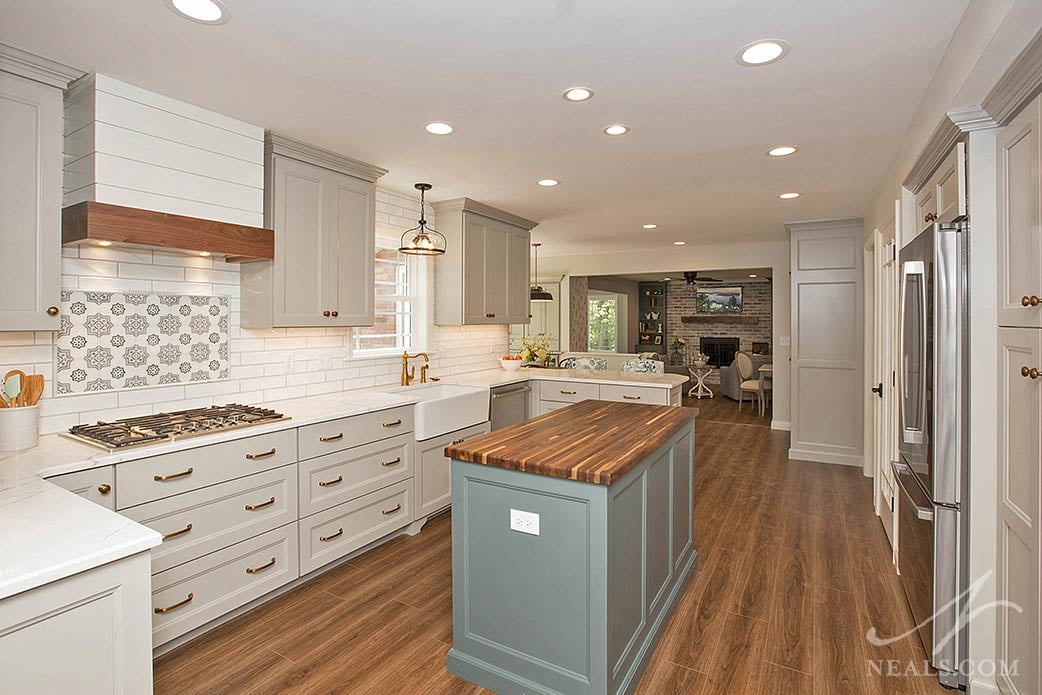
When property owners think about upgrading their residences, they typically find numerous renovation options tailored to different needs and preferences. These projects are generally grouped into various categories, all dealing with certain elements of home improvement. Renovating the kitchen involves updating appliances, storage units, and floor plans to boost practicality and the look. Renovating the bathroom usually includes upgrading fixtures, the ceramic work, and organizational units for greater ease and visual flair.
Whole-home remodeling encompasses significant changes throughout the residence, sometimes requiring major structural work to maximize the area and layout. External improvement work, on the other hand, focus on boosting curb appeal, addressing siding, the roof, and the garden design. Additionally, specialized services such as completing the basement and attic conversions help residents make the most of neglected parts of the home. All these service types provides distinct advantages, letting residents pick services that align with their vision for their residence. Knowing these variations is vital for making informed decisions throughout the remodeling project.
Setting a Realistic Budget for Your Home Improvement Work
What steps ensure their renovation work stays financially viable? Creating a sensible budget is crucial. Property owners must start by assessing their monetary resources, covering savings and possible funding sources. This first stage allows one to figure out the funds available for the updating project while maintaining other fiscal obligations.
Subsequently, property owners need to research the costs associated with their desired renovations, including materials, labor, and surprise expenses that tend to crop up. Making an exhaustive list of needs helps with identifying must-haves versus nice-to-haves, allowing for adjustments if the budget tightens.
It is prudent to set aside an emergency fund, typically around 10-20% of the total budget, to account for surprise expenditures. Regularly reviewing and adjusting the budget as the updating work progresses can further assist in keeping finances in check. Ultimately, a well-planned budget not only guarantees project viability and makes the whole updating experience better for those living in the home.
Finding the Best Contractor for Your Needs.
Finding a suitable builder can greatly impact the outcome of an updating effort. Homeowners should begin by conducting thorough research, seeking recommendations from friends, family, or online reviews. It is essential to confirm documentation, including licenses, insurance, and bonding, to verify their standing.
When prospective builders are located, homeowners should request detailed estimates and timelines, allowing for informed comparisons. Meeting with them offers a look at their manner of communicating and their professional conduct, that are key to a cooperative effort.
Additionally, reviewing past projects through portfolios or references demonstrates the professional's skill level. Property owners must also ask about guarantees or assurances, which shows the professional's belief in their output.
In the end, choosing a professional relevant information who matches the homeowner's goals, finances, and schedule fosters a more positive remodeling experience, guaranteeing that the project meets expectations and successfully updates the home's interior.
Planning and Designing Your Perfect Area.
As those renovating imagine their desired rooms, thorough preparation and well-considered layout are crucial elements of a successful remodeling project. The initial phase includes assessing present requirements and long-term goals, which permits a comprehensive grasp of the room's intended function. It is important for homeowners to weigh functionality, aesthetics, and their individual taste, to guarantee the design showcases their unique preferences.
Next, developing a comprehensive budget is essential. This budget should accommodate materials, labor, and possible unexpected costs. Engaging with design professionals can offer helpful perspectives, aiding in maximizing the area and respecting budgetary constraints.
Incorporating elements like ample daylight, open layouts, and sustainable materials can improve the final result. Finally, visualizing the project through drawings or computer models can assist in finalizing plans before starting the work. By thoughtfully tackling the design and planning stage, homeowners can build a comfortable, effective space suited to their way of life.
Navigating Permits and Regulations in Residential Projects
Grasping the intricacies of permits and rules can be challenging for homeowners starting on a remodeling project. Every city or county maintains distinct regulations that determine what is allowed during renovations, frequently shaped by zoning laws, building codes, and security requirements. It is essential for homeowners to understand local regulations to prevent expensive penalties or setbacks in the timeline.
Typically, obtaining permits is crucial for significant alterations, such as modifying load-bearing elements or electrical work. This process usually necessitates providing designs for examination and could involve check-ups at different phases.
Hiring an experienced builder can streamline these steps, as they are typically experts in municipal rules and can assist with paperwork. Homeowners should also keep communication open with local building departments to guarantee compliance throughout the project. By grasping and navigating these regulations, homeowners can achieve their remodeling goals and maintaining compliance with the law in their renovations.
Frequently Asked Questions
How Long Does a Typical Home Remodeling Project Take?

The average remodeling job typically spans three to six months on average, depending on the scope of work, size of the home, and material lead times. Complex projects may require additional time for completion.
What are some frequent blunders you should steer clear of throughout the renovation process?
Common mistakes in the remodeling process often involve failing to budget properly, not securing the required permissions, overlooking timelines, failing to communicate effectively with your builders, and ignoring long-term functionality. Understanding these dangers can lead to a less stressful, more positive renovation outcome.
How do I choose the best supplies for my renovation?
Selecting appropriate supplies requires assessing how long they will last, the look and feel, and financial limits. Researching options, consulting professionals, and thinking about upkeep will significantly help to make smart choices, to guarantee the project fits with personal and functional requirements.
Can I live in my home during renovations?
You are able to stay in their home during renovations, but it might cause disruption. Careful planning, effective coordination with the renovation team, and designating specific areas for daily use can lessen the stress while the work is underway.
What guarantees should I look for from the renovation company?
Homeowners should expect warranties for the labor performed, the products installed, and the integrity of the structure, typically ranging from one to ten years. It is essential to examine the exact provisions in partnership with the renovation company to clearly grasp what is covered and what is excluded.